
Brain Based Coaching

Brain based coaching is a coaching approach rooted in contemporary neuroscience. It consists of the scientific study of the brain and the rest of the nervous system by the Coach. Using the latest insights into how the brain works, brain-based coaching is a new approach which complements and amplifies the principles and practices of coaching to create yet more powerful, positive and transformational changes for the person being coached. This is accomplished by facilitating positive change by first improving the thinking.

Brain-based coaching focuses solely on your direction/agenda. This type of coaching tool pulls out what’s already there inside you. Brain based coaching provides the structure, process to help you apply your best thinking skills and explore various insights. Brain based coaching is self-directed and encourages you to think for yourself. , the coachee.

This type of coaching works for clients as it creates a safe environment that is conducive to greater self-awareness, deeper appreciation of circumstances, new insights, and self-confidence. Brain based Coaching encourages lasting change through solution focused results, and self-directed learning.

www.vitalability.com

Ontological Coaching

Ontological Coaching is an approach to living and working well and developing a life of deep satisfaction, meaning and fulfillment as what is known as “Ontology of the Human Observer”. It is based on a new deeply grounded and practical understanding of language, moods and conversations for behavioral and cultural transformation, while expanding a more resourceful way of being.

Our world contains constant changes going on around us.  Every day we are faced with many relentless challenges; some we have become accustomed to overcoming quickly, and others which take us a bit more by surprise.

Ontological coaching seeks to support you to be more flexible in your thinking, communications, and behaviors by not just observing what is going on around you,  by gently inviting you to consider making steps in exploring new ways of acting; having a more constructive influence on how you respond and react to those various life shifts.

Your Coach will not tell you how to be as a person, or how to behave, but rather help support you and assist you in discovering or identifying what you truly desire.  This type of coaching offers you a framework to living an authentic and fulfilling life with personal accountability.

www.vitalability.com

Fall Into Change Through Accountability

Did you know that people tend to achieve more, in a more sustainable way, when they’re in a positive state both psychologically and physically? Did you know this takes personal accountability?

A life coach helps you stay accountable to your goals. Don’t know what your goals are? That’s okay. A coach can encourage you to create goals if you don’t have them. When we think of goals, you want to make sure that not only are the goals realistic, but your timeline to accomplish those goals are realistic as well. Through this process, you will begin understanding your motivations, what makes you feel passionate, what inspires you, what you love – as this is what will keep you moving and shaking.

Just the act of being able to have someone to be accountable to, or to tell about your goals can significantly impact and improve the likelihood you’ll achieve those goals, and learn what is holding you back from getting your end result. Having an accountability partner can help you go beyond your comfort zone and “fall into change” by tracking your action plans and your effort to put the work in to manage those transitions.

No worries, your coach will be right there to help encourage you and support you through those transitions. The nice thing about working with a coach is that they are not personally affected by your change, so can offer an impartial view of things.  What are your values, desires, passion, and hopes for the future? Have you done an accurate assessment of who you really are? Like, really looked at yourself?

We all go through seasons of change and transitions. Sometimes we may be stuck, sometimes we aren’t stuck at all, but just need some clarity. Sometimes, we know exactly what we want and just need that support system to help us get there. Let’s get to the heart of helping you in becoming a better version of yourself.

www.vitalability.com

Emotional Intelligence (EQ) Coaching

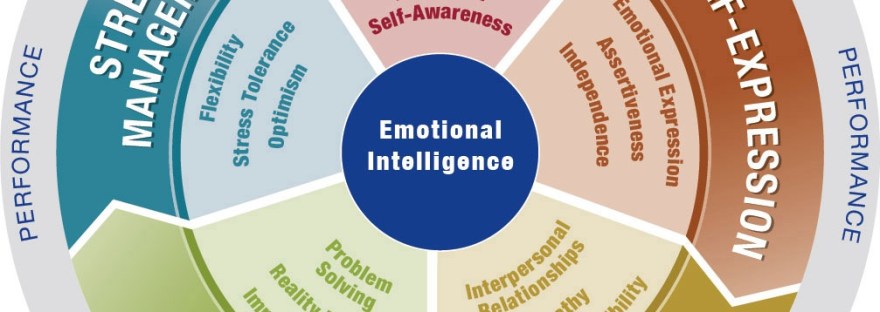
Let break it down. Let’s start with defining emotional Intelligence. What is emotional Intelligence? Emotional Intelligence (EQ) can be defined as a set of social and emotional skills that help us function effectively.

What is EQ Coaching? EQ coaching is a way to improve your emotional/relational skills, and helps you to develop those skills. EQ Coaching helps you expand the capacity to be aware of, control, and express one’s emotions, and to handle interpersonal relationships judiciously and empathetically.

We know that EQ skills, like optimism, flexibility, and empathy (among others), play a major role in the success of individuals, organizations, teams, and groups of various sizes. One of the best ways to improve emotional intelligence is with coaching. Research shows that consistent one-to-one coaching sessions will ensure your continued progress towards reaching your goals. Some of the things that can be explored with your coach is helping to manage and sometimes, even remove, roadblocks such as fear, procrastination, or perfectionism

Coaching begins with an assessment. 

An assessment provides objective information that can enhance self-awareness, as well as awareness of others and their circumstances; provide a benchmark for creating coaching goals and actionable strategies; and offer a method for evaluating progress.

The assessment is statistically valid and scientifically accurate. Along with the support of your coach, you will learn where you score in all competencies, choose the areas of growth that you desire, and then create a plan to develop the competencies and improve those leadership qualities you may be trying to develop or even strengthen.

www.vitalability.com

A Listening

Hello America. Systematic oppression and inequality are not right! I know you’re feeling hurt, angry, outraged, anxious, full of grief, exhausted, overwhelmed, fed up, divided, and at risk.

We are here to listen.

Please note that by working with any of our Coaches we will be respectful of other people’s race, sexuality, national origin, gender identity, religion, physical abilities, and any other identifying characteristics. We ask that when in session with us, you do the same.

I want to encourage you to contact Vital Ability, LLC and be assured that working with any of our Coaches will be done in a hate-free violence-free zone. We will not participate in nor endorse any kind of hateful speech regarding indviduals and groups of people.

We do support and endorse advocacy, empowerment, civility, personal responsibility, authenticity, engagement and service in a desire to improve one’s own self and move forward successfully towards accomplishing your own personal goals for your life.

www.vitalability.com

How Coaches and Therapists Differ

How Therapists and Coaches Differ

Keeping in mind that contrasting lists such as these can be overly sweeping, and not entirely explanatory of the subtleties that exist, here are some of the differences between coaching and therapy.

  1. COACHING is an educational, discovery-based process of human potential.
    THERAPY is based on the medical model that says people have psychiatric maladies that need to be repaired.
  2. COACHING focuses on self-exploration, self-knowledge, professional development, performance enhancement and better self-management.
    THERAPY seeks to heal emotional wounds.
  3. COACHING takes clients to the highest levels of performance and life satisfaction.
    THERAPY seeks to bring clients from a dysfunctional place to a healthy functioning level.
  4. COACHING rarely asks about your childhood or family life.
    THERAPY continuously explores early-childhood, family and relationship issues.
  5. COACHING uses the terms blockages and obstructions to denote what needs to be removed.
    THERAPY uses the term “pathology” to describe the “patient’s” issues.
  6. COACHING focuses more on the present and future.
    THERAPY focuses more on the past and present.
  7. COACHING advances the client’s potential.
    THERAPY “cures” the patient.
  8. COACHING is used by people who already are succeeding, but who want to succeed even more and at a faster rate.
    THERAPY is used by people whose lives are not working.
  9. COACHING focuses more on thoughts and behavior and how the client acts and thinks about things.
    THERAPY focuses more on emotions and how the client feels about things.
  10. COACHING comes out of the human potential movement and the performance world.
    THERAPY has its roots in the medical model.
  11. COACHING focuses on solving problems in the now.
    THERAPY explores the historical roots of problems.
  12. COACHING works with the client’s conscious mind.
    THERAPY focuses on bringing the patient’s unconscious mind into awareness.
  13. COACHING focuses on creating the future.
    THERAPY seeks to heal the past.
  14. COACHING seeks to bring more power, control and joy to the client.
    THERAPY seeks to remove the client’s pain.
  15. COACHING assumes a co-equal partnership between coach and client.
    THERAPY assumes the therapist to be more of the expert, and in control.
  16. COACHING has strategies and objectives.
    THERAPY has a treatment plan.
  17. COACHING asks “What is next?”
    THERAPY asks “Why”?
  18. COACHING helps clients design their lives.
    THERAPY resolves issues.
  19. COACHING takes an active, energetic approach.
    THERAPY takes a more passive, reflective, background approach.
  20. COACHING focuses on what is possible.
    THERAPY focuses on what is the problem.
  21. COACHING is goal-oriented, solution-focused and results and action-oriented.
    THERAPY mainly seeks to increase patient insight, yet some therapists are solution-focused.
  22. COACHING may also utilize feedback from bosses, peers and subordinates.
    THERAPY usually involves only the patient and therapist.
  23. COACHING takes the client from where they are and helps them move forward.
    THERAPY examines unfinished emotional business from all stages of life.

~ Written by: Bill Cole/William Cole

www.vitalability.com

This Is It

This is it! The sign you have been looking for. The confirmation you needed to take that next step to transformation, of moving forward based on the the transitions you have experienced, have been experiencing or are about to experience. This is it. The support you have been looking for, or never knew you needed. This is it. The time to harness your inner strength and begin your transformation to your life – A life worth living!!

www.vitalability.com